How to Choose the Best Implant Supplies for Your Dental Practice?
Selecting the right implant supplies is crucial for any dental practice aiming to deliver high-quality care. According to the American Dental Association (ADA), the dental implant market is projected to reach $9 billion by 2025, making the choice of implant supplies more significant than ever. Dr. Emily Chen, an expert in dental implantology, states, "Choosing the right supplies can impact both success rates and patient satisfaction."
When evaluating implant supplies, consider factors such as quality, compatibility, and manufacturer reputation. Reports indicate that approximately 40% of dental practices struggle with inventory management of implant supplies. This highlights the need for a strategic approach. Inadequate choices can lead to complications, increased costs, or even patient dissatisfaction. It's essential to invest time in research and analysis.
Furthermore, while many suppliers promise state-of-the-art products, not all live up to these claims. Some practices may feel overwhelmed by the array of options. Hence, it's vital to rely on trusted reviews and professional recommendations to ensure that the chosen supplies meet clinical and patient needs effectively. The right implant supplies will not only enhance procedural outcomes but also lead to long-term success for your practice.

Understanding the Importance of Quality Implant Supplies for Dentists
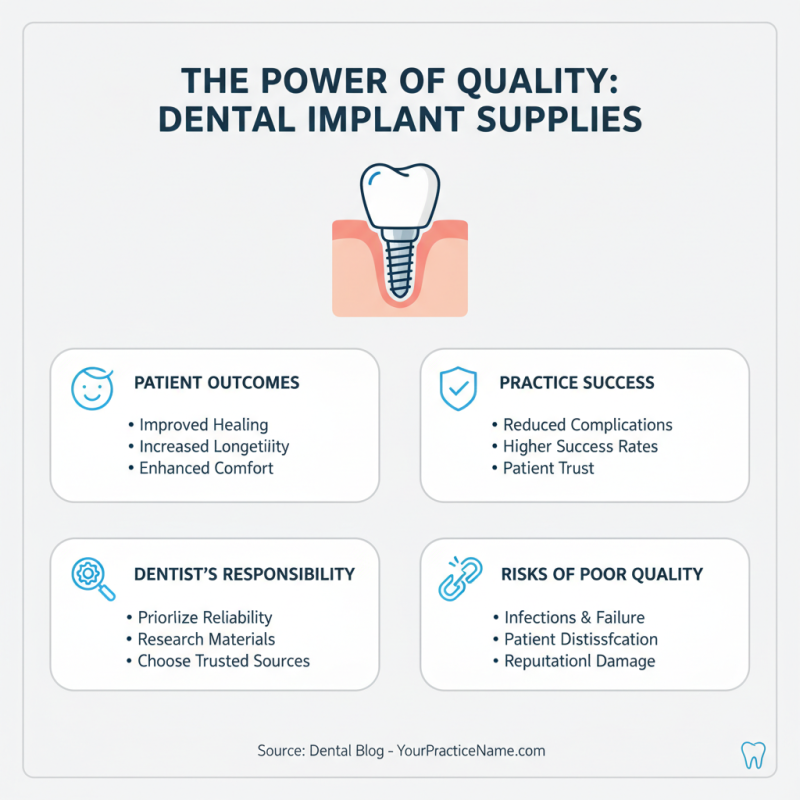
Quality implant supplies are crucial for dental practice success. They impact patient outcomes greatly. Dentists must prioritize selecting reliable materials. Poor quality can lead to complications and patient dissatisfaction. It’s essential to trust the source of your supplies.
Using high-quality implants enhances the longevity of dental work. Patients expect durability and functionality. An inferior implant may fail early, leading to additional procedures. This not only strains relationships with patients but also disrupts the practice's workflow. Dentists should regularly evaluate suppliers and ask for evidence of quality standards.
Investing in quality materials can seem costly. However, the return in patient trust and satisfaction is invaluable. Regular training about new products helps in decision-making. Open discussions with peers about experiences can provide insight. Striving for excellence requires continuous reflection on choices. Quality should always be at the forefront of every dentist's mind.
Identifying Essential Types of Implant Supplies for Your Practice
Choosing the right implant supplies for your dental practice involves understanding what is essential. Various types of supplies are necessary for ensuring effective procedures. Key categories include implants, surgical tools, and prosthetic components. Each plays a specific role in patient outcomes.
Implants come in diverse shapes and materials. It’s crucial to select those that suit your practice philosophy. Surgical tools must be high-quality and sterile, ensuring safety during procedures. Prosthetic components need to align with your implant choices. Compatibility is vital.
Reflecting on your past experiences can aid in making informed decisions. Have you encountered issues with certain supplies? Take notes on what worked and what did not. Continuous evaluation of your inventory is beneficial. Being adaptable to new techniques and materials can enhance your practice’s success.
Evaluating Different Manufacturers and Brands of Implant Supplies
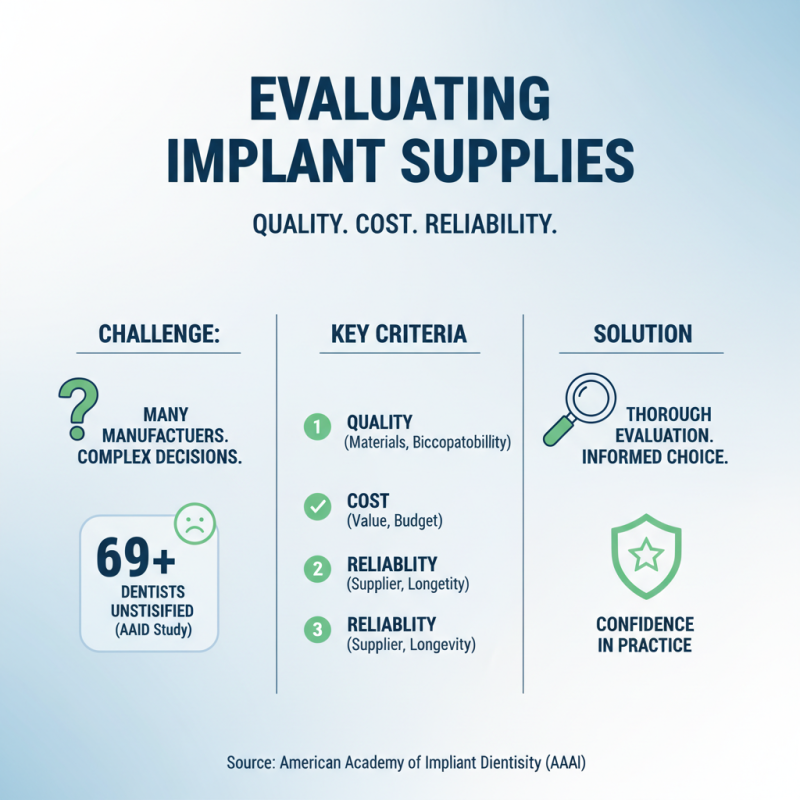
Choosing the right implant supplies requires thorough evaluation. Many manufacturers exist, making decisions complex. Dental professionals must assess quality, cost, and reliability. A study from the American Academy of Implant Dentistry indicates that over 69% of practitioners are not fully satisfied with their current suppliers. This highlights the necessity for careful selection.
When evaluating different brands, look for certifications and clinical evidence. Reliable suppliers display transparent quality assurance processes. A survey revealed that 53% of dentists prefer suppliers with a proven track record of clinical success. Check for user reviews and case studies showcasing product outcomes. Consider factors like the materials used and their durability, as these can directly affect implant success rates.
Don't overlook the importance of customer support. Many practitioners report challenges in reaching suppliers for assistance. Good communication can prevent critical delays in practices. It’s essential to identify brands that offer responsive service and training materials. Balancing these aspects is key to improving patient satisfaction and enhancing practice efficiency. Each decision impacts the overall quality of care.
Comparing Costs and Value of Implant Supplies in Dental Practices
When evaluating implant supplies for your dental practice, understanding costs versus value is essential. Not all supplies are created equal. The price of implants can vary significantly based on materials, design, and supplier. Yet, lower prices do not always equate to inferior quality. Consider the long-term implications of your choices. A slightly higher initial investment might lead to fewer complications and improved patient satisfaction.
Tips: Assess the longevity of implant materials. Higher quality materials can result in fewer replacements and repairs. Examining warranty terms is also wise. A strong warranty can indicate confidence in the product.
Ultimately, analyze how these factors fit your practice's budget. Gather feedback from colleagues about their experiences. Review industry studies comparing performance. This knowledge will build a clearer picture of the true value of each supply. The goal is to optimize both cost and patient outcomes, creating a sustainable practice.
Ensuring Compliance and Safety Standards for Dental Implant Supplies
When selecting dental implant supplies, compliance and safety should be your top priority. Regulatory guidelines demand that all materials used in dental procedures meet specific safety standards. This ensures the wellbeing of both the patient and the practitioner. It’s crucial to verify that the supplies are from recognized sources, and that they have undergone rigorous testing.
Consider the documentation that accompanies each product. Certificates of authenticity, safety data sheets, and compliance reports provide valuable insights into the quality of the supplies. A lack of proper documentation may indicate potential red flags. Always prioritize materials that have clear, verifiable quality assurances.
Monitoring your own procurement processes for compliance can be a challenging task. Regular training for your staff on safety standards helps mitigate risks. It can be beneficial to review and reflect on past experiences with various suppliers. Sometimes, cost-cutting decisions lead to compromises in quality and safety. Learning from these instances can enhance future choices, ensuring your practice remains reliable and trustworthy.