2026 Top Orthopedic Locking Screws Manufacturers?
Choosing the right orthopedic locking screws manufacturer requires more than comparing product catalogs. In 2026, hospitals and distributors will examine implant design, material quality, manufacturing consistency, and clinical support. A dependable supplier should provide clear technical documents, validated production processes, and traceable batch records. Small details matter. A clean thread profile, stable screw head, and precise driver interface can influence surgical efficiency.
This guide explores leading orthopedic locking screws manufacturers through a practical, evidence-based lens. It considers titanium and stainless-steel options, thread geometry, diameter ranges, locking compatibility, surface treatment, and packaging quality. It also reviews fatigue testing, sterilization controls, regulatory documentation, and feedback from orthopedic professionals. Manufacturers with strong quality systems should explain how they manage dimensional inspection and supplier qualification. They should not rely only on polished marketing claims.
Real-world performance matters most.
A manufacturer may offer an impressive portfolio yet provide limited clinical assistance. Another may have excellent engineering but inconsistent delivery capacity. These differences deserve careful attention. Public information can also be incomplete, outdated, or difficult to compare. No ranking is perfect. This review may miss smaller regional specialists with valuable expertise. Therefore, readers should verify certifications, product specifications, local registration, and post-market support before making purchasing decisions. The strongest manufacturers usually combine technical experience, transparent communication, and reliable production discipline. Their products must fit surgical systems accurately, perform under mechanical stress, and arrive with documentation that supports confident clinical use.
Orthopedic Locking Screws: Design, Materials, and Clinical Purpose
Orthopedic Locking Screws: Design, Materials, and Clinical Purpose
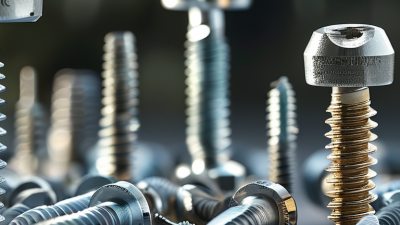
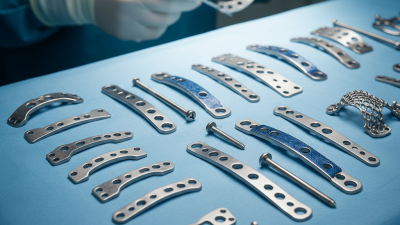
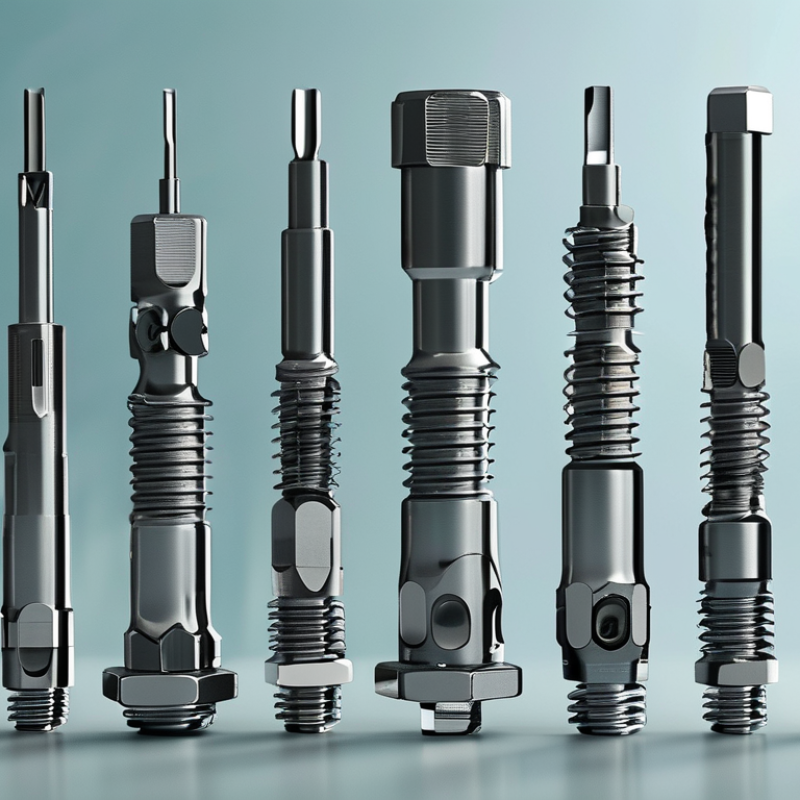
Locking screws secure directly into a threaded plate hole, creating a fixed-angle construct. This design can improve stability in weak bone and complex fractures. Unlike conventional screws, they do not depend entirely on plate-to-bone compression. Thread geometry, core diameter, and head design influence insertion torque and fatigue resistance. Small differences matter during surgery.
Most orthopedic locking screws use titanium alloy or stainless steel. Titanium is lighter and generally offers strong biocompatibility. Stainless steel provides high strength and familiar handling characteristics. Material selection should consider bone quality, imaging needs, corrosion behavior, and compatibility with the fixation system. A mismatch can create avoidable problems.
Their clinical purpose is controlled fracture stabilization, not simply maximum tightness. Surgeons may use them in periarticular, osteoporotic, or comminuted fractures. Correct length prevents joint penetration and soft-tissue irritation. Excessive torque can damage threads or compromise fixation. That mistake is easy to underestimate.
Tips: Confirm screw diameter, length, and thread compatibility before insertion. Check the locking angle and use the recommended driver. Measure carefully, especially near joints. Consider the patient’s bone quality, planned imaging, and healing demands. Clinical judgment remains essential, because no design solves every fracture pattern.
How to Evaluate Orthopedic Locking Screw Manufacturers in 2026
How to Evaluate Orthopedic Locking Screw Manufacturers in 2026
Evaluating an orthopedic locking screw manufacturer requires more than comparing prices. Review its quality system, technical experience, and documented production controls. A credible manufacturer should provide current certification, traceability records, and clear inspection procedures. Ask how raw materials are verified before machining. Titanium alloy certificates should match the batch, not merely a standard template.
Examine design competence through fatigue testing, dimensional reports, and locking-interface validation. Request evidence covering thread accuracy, head engagement, corrosion resistance, and sterilization compatibility. Experienced engineers should explain failure risks in practical terms. Visit the facility when possible. Observe cleaning areas, measurement equipment, packaging controls, and nonconformance handling. A polished factory tour proves little without records. That is worth remembering.
Tips: Compare several technical files, not only brochures. Ask for sample inspection reports and test methods. Check whether critical measurements use calibrated equipment. Review complaint handling and recall procedures. Speak with clinical or distribution partners about consistency over time. Small details matter. A supplier may offer excellent prototypes but struggle with repeat production. Your evaluation should test both claims and evidence, while leaving room for honest uncertainty. No checklist is perfect.
Leading Orthopedic Locking Screw Manufacturers and Their Product Strengths
2026 Top Orthopedic Locking Screws Manufacturers?
Leading orthopedic locking screw manufacturers compete through engineering control, clinical evidence, and dependable supply. A 2024 MarketsandMarkets report valued the global orthopedic trauma devices market at approximately USD 8.6 billion. It projects growth to about USD 11.7 billion by 2029. Locking screws remain important because fixed-angle constructs can support difficult fractures and weaker bone.
The strongest manufacturers usually offer titanium and stainless-steel options, multiple thread profiles, and screw diameters for varied anatomy. Their systems often include color-coded instruments, depth gauges, and low-profile heads. Manufacturing quality matters. Buyers should review ISO 13485 certification, fatigue-test results, dimensional inspection records, and sterilization controls. Small errors can affect plate engagement.
Surgeon feedback remains practical evidence.
A 2023 Grand View Research report estimated the wider orthopedic devices market at more than USD 47 billion. However, market size does not prove clinical superiority. Hospitals should compare pullout strength, insertion torque, corrosion resistance, imaging compatibility, and published clinical follow-up. Regulatory clearance is necessary, but it is not the whole assessment. Some product claims still rely on laboratory testing rather than long-term patient data. Rankings also vary by region, tender rules, and surgeon preference. That makes a universal “top manufacturer” list imperfect, but transparent evidence remains the better starting point.
Quality Standards, Regulatory Approval, and Manufacturing Capabilities
2026 Top Orthopedic Locking Screws Manufacturers: Quality Standards, Regulatory Approval, and Manufacturing Capabilities
A reliable locking screw begins with controlled material selection. Titanium alloy and surgical stainless steel require verified chemistry, traceability, and corrosion testing. ASTM F543 defines mechanical testing methods for metallic bone screws, including insertion torque and axial pullout strength. These tests reveal practical weaknesses that polished catalogs often hide. Small thread damage matters.
Quality systems must extend beyond final inspection. ISO 13485 certification supports documented design controls, supplier evaluation, process validation, and corrective actions. The ISO Survey 2023 recorded more than 30,000 ISO 13485 certificates worldwide, showing broad adoption but not equal performance. A certificate alone proves little. Auditors should review batch records, equipment calibration, cleaning validation, and nonconforming-product trends.
Regulatory approval requires evidence matched to the intended use. In the United States, manufacturers may need a 510(k) submission, supported by substantial equivalence, biocompatibility testing, sterilization evidence, and performance data. ISO 14971 risk management should connect directly with those tests. Grand View Research estimated the global orthopedic devices market at approximately USD 47 billion in 2023, increasing pressure for scalable production. Yet capacity can create risk. Automated machining, laser marking, and vision inspection improve consistency, but only when validated across lots. Human review remains necessary. I would question any supplier reporting perfect results without explaining failures, rework, and complaint handling.
Choosing the Right Manufacturer for Surgical and Healthcare Needs
2026 Top Orthopedic Locking Screws Manufacturers?
Choosing an orthopedic locking screw manufacturer requires more than comparing catalog prices. Surgical teams need consistent dimensions, dependable materials, and clear technical support. An experienced manufacturer should explain thread design, torque limits, sterilization compatibility, and intended bone applications. Ask for inspection records, test methods, and lot traceability. These details show whether quality is built into production or added later.
Material selection deserves careful review. Titanium alloys may support lightweight fixation, while stainless steel can suit different clinical preferences. The right choice depends on anatomy, imaging needs, surgical technique, and applicable regulatory requirements. Manufacturers should provide dimensional drawings and validated performance data. Marketing language alone is not enough. It can sound convincing, but it cannot replace evidence.
Procurement teams should assess communication before a contract begins. Request representative samples, packaging information, and realistic delivery schedules. Confirm how complaints, recalls, and design changes are managed. A reliable supplier should answer technical questions without avoiding difficult details. No supplier is perfect. Even strong evaluations can miss a small issue, such as unclear labeling or inconsistent documentation. In my experience, direct discussions with surgeons, quality engineers, and sterilization staff reveal practical concerns that specifications may overlook. Look beyond polished brochures. Examine the process.