


Top 10 Orthopedic Surgical Instruments Manufacturers?
Selecting the right orthopedic surgical instruments manufacturer can influence surgical efficiency, handling comfort, and patient safety. This guide, “Top 10 Orthopedic Surgical Instruments Manufacturers,” explores companies serving hospitals, surgical centers, and specialized orthopedic teams.
The focus is practical. We examine instrument quality, material selection, manufacturing consistency, product range, and after-sales support. Stainless steel composition matters. So do joint alignment, grip texture, locking performance, and sterilization durability. A retractor should hold firmly without excessive force. A bone rongeur should open smoothly and maintain its edge after repeated processing. Small details matter.
Our comparison draws on manufacturer documentation, product catalogs, clinical-use considerations, and publicly available quality information. We consider experience in orthopedic product development, quality-control systems, traceability, and regulatory compliance in relevant markets. Independent clinical feedback also deserves attention, although it is not always easy to compare fairly. Published evidence may be limited.
No ranking is perfect.
Manufacturers differ by region, specialty, and hospital budget. One company may excel in trauma instruments, while another offers stronger arthroplasty systems or custom surgical sets. Product availability, maintenance support, and staff familiarity can change the final decision. We therefore present this list as a research starting point, not a substitute for professional evaluation.
Readers should verify current certifications, technical specifications, warranty terms, and local approval requirements before purchasing. Instrument performance depends on design, handling, cleaning, and sterilization practices. Even an established supplier may have weaker products in certain categories. That is worth remembering. A careful comparison helps buyers choose orthopedic surgical instruments with greater confidence, clearer evidence, and more realistic expectations.
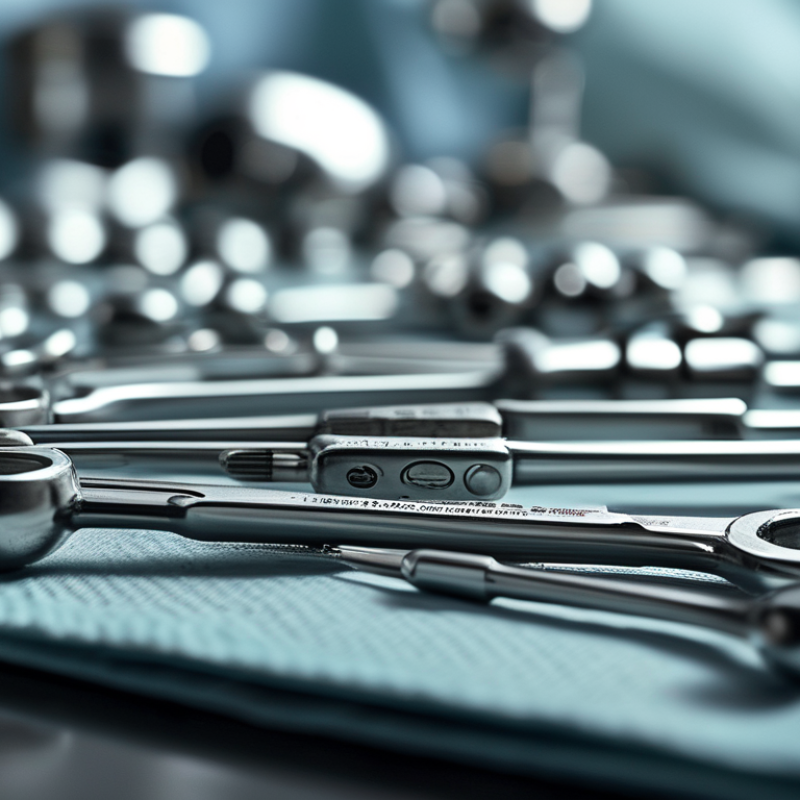
What Are Orthopedic Surgical Instruments and Why Do They Matter?
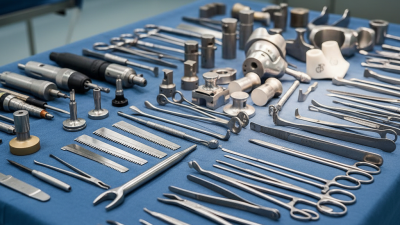
Orthopedic surgical instruments are specialized tools used to cut, shape, hold, drill, and stabilize bone or soft tissue. Common examples include bone saws, rongeurs, retractors, drills, osteotomes, forceps, and implant-guidance instruments. Their design affects control, visibility, tissue protection, and surgical accuracy.
Why do they matter? A poorly balanced handle can increase hand fatigue during a long procedure. A blunt cutting edge may create unnecessary pressure and heat. Even a small measurement error can affect alignment, fixation, or recovery. Reliable instruments should use suitable medical-grade materials, maintain consistent dimensions, and tolerate repeated cleaning and sterilization. Manufacturers should also provide traceability, quality testing, maintenance guidance, and clear performance specifications. Regulatory compliance matters, but paperwork alone cannot prove practical value. Clinical feedback remains essential.
Tips: Check grip comfort, jaw alignment, surface finish, and locking action before use. Confirm compatibility with the intended procedure and sterilization process. Inspect instruments under strong light. Look for cracks, corrosion, loose joints, or worn teeth. No instrument is perfect. Selection can still be improved by reviewing surgeon feedback, technician records, and failure patterns. A polished appearance may hide weak performance. That detail deserves attention.
Top 10 Orthopedic Surgical Instruments Manufacturers? - What Are Orthopedic Surgical Instruments and Why Do They Matter?
Orthopedic surgical instruments are precision devices used to cut, shape, position, drill, fix, and assess bone and soft tissue during musculoskeletal procedures. The comparison below focuses on commonly manufactured instrument categories rather than individual companies or brands.
| No. | Instrument Category | Typical Instruments | Primary Orthopedic Application | Common Materials | Important Design Requirements | Typical Reprocessing Method |
|---|---|---|---|---|---|---|
| 1 | Bone Cutting Instruments | Oscillating saw blades, reciprocating blades, osteotomes, and bone chisels | Cutting, shaping, and preparing bone surfaces during arthroplasty, trauma, and reconstructive procedures | Surgical stainless steel, hardened steel, and tungsten-carbide cutting elements | Sharp cutting edges, dimensional stability, low vibration, and resistance to corrosion | Validated cleaning followed by steam sterilization when compatible |
| 2 | Bone Drills and Reamers | Drill bits, cannulated drills, intramedullary reamers, and flexible reamers | Creating or enlarging bone channels for screws, nails, stems, and other fixation components | Stainless steel, cobalt-chromium alloys, and carbide cutting tips | Accurate diameter, concentric rotation, heat control, and resistance to bending | Cleaning of flutes and lumens, inspection, lubrication where specified, and sterilization |
| 3 | Bone Holding and Reduction Instruments | Reduction forceps, pointed clamps, bone-holding forceps, and reduction handles | Grasping and temporarily aligning fractured bone fragments before definitive fixation | Martensitic stainless steel and corrosion-resistant alloy components | Secure grip, controlled force, atraumatic contact points, and reliable locking mechanisms | Manual or automated cleaning with particular attention to joints and ratchets |
| 4 | Screw and Plate Fixation Instruments | Screwdrivers, torque-limiting handles, depth gauges, plate benders, and drill guides | Application of internal fixation systems for fractures, osteotomies, and corrective procedures | Stainless steel, titanium alloys, aluminum for selected reusable components, and engineering polymers | Correct interface fit, torque accuracy, corrosion resistance, and clear size identification | Disassembly where applicable, cleaning, functional inspection, and steam sterilization |
| 5 | Intramedullary Nailing Instruments | Targeting arms, aiming guides, nail insertion handles, and locking-screw guides | Guiding and inserting intramedullary nails for long-bone fracture stabilization | Stainless steel, titanium, anodized aluminum, and high-performance polymers | Guide alignment, rigidity, radiolucent options, and compatibility with dedicated implant systems | Validated cleaning of interfaces and channels followed by sterilization according to instructions |
| 6 | Joint Replacement Instrument Sets | Femoral broaches, rasps, trial components, acetabular reamers, and impactors | Preparing bone and evaluating implant size and alignment during hip, knee, and shoulder replacement | Stainless steel, titanium alloys, cobalt-chromium alloys, and sterilizable polymers | Precise geometry, repeatable sizing, impact resistance, and ergonomic handling | Validated automated or manual cleaning and steam sterilization for reusable sets |
| 7 | Arthroscopy Instruments | Arthroscopic punches, graspers, shavers, cannulas, probes, and hand instruments | Minimally invasive diagnosis and treatment of ligament, cartilage, meniscal, and joint conditions | Stainless steel, titanium, polymer insulation, and optical glass in visualization systems | Small profile, smooth articulation, effective irrigation, and reliable shaft strength | Thorough flushing of narrow channels followed by validated sterilization |
| 8 | Spinal Surgical Instruments | Rongeurs, pedicle probes, screwdrivers, rod benders, retractors, and trial instruments | Decompression, spinal fixation, deformity correction, and implant placement | Surgical stainless steel, titanium alloys, cobalt-chromium alloys, and radiolucent polymers | Fine control, tactile feedback, anatomical access, and compatibility with imaging techniques | Validated cleaning, lumen flushing, inspection, and sterilization according to device instructions |
| 9 | External Fixation Instruments | Pin cutters, wire tensioners, clamps, drill guides, and frame assembly tools | Assembly and adjustment of external frames for fracture stabilization and limb reconstruction | Stainless steel, titanium, anodized aluminum, and durable engineering polymers | High mechanical strength, secure clamping, adjustment accuracy, and corrosion resistance | Cleaning of threaded and articulated parts followed by compatible sterilization |
| 10 | Retractors and Surgical Access Instruments | Self-retaining retractors, bone levers, soft-tissue retractors, and exposure frames | Maintaining surgical exposure while protecting soft tissue and improving visualization | Stainless steel, titanium alloys, silicone or polymer protective surfaces, and aluminum components | Atraumatic edges, stable positioning, ergonomic handles, and controlled retraction force | Cleaning of hinges, joints, and serrations followed by validated sterilization |
Related Posts
-
Top Orthopedic Implants for Global Buyers in 2026?
-
How to Choose the Right Implant Surgical Instruments?
-
Top 10 Orthopedic Bone Screws You Need for Global Sourcing?
-
2026 Best Orthopedic Instruments Name Guide for Medical Professionals?
-

How to Choose the Best Implant Supplies for Your Dental Practice?
-

Top Tips for Choosing the Right Bone Plates for Your Needs