Top 10 Implant Supplies You Need for Successful Surgeries?
In the realm of surgical procedures, selecting the right implant supplies is crucial for achieving successful outcomes. According to a report by MarketsandMarkets, the global implant supply market is projected to reach $19.2 billion by 2025, reflecting the increasing demand for innovative surgical solutions. Dr. Emily Carter, a leading expert in orthopedic surgery, emphasizes, "Quality implant supplies are fundamental to patient safety and recovery."
The significance of choosing the right materials cannot be overemphasized. Surgeons often face challenges with compatibility and durability of implants. An inadequate selection can lead to complications and hinder the healing process. It’s imperative to prioritize evidence-based products that have been rigorously tested in clinical settings. Furthermore, staying updated with innovative advancements ensures that surgical teams can provide the best care possible.
Amidst this growing market, some industry professionals express concerns regarding the over-reliance on specific suppliers without thorough evaluation. This raises the need for reflection on priorities when sourcing implant supplies. Facing this challenge is part of the ongoing commitment to improving surgical practices and patient outcomes.

Essential Surgical Instruments for Implant Procedures
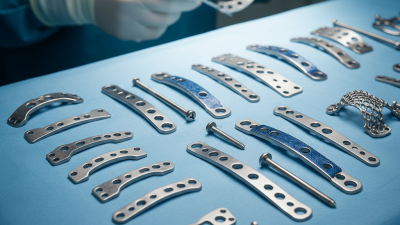
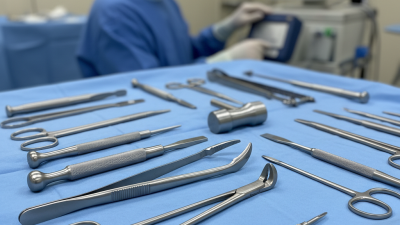
When preparing for implant surgeries, having the right surgical instruments is critical. Essential tools include a variety of drapes, retractors, and hemostats. Each of these instruments plays a vital role in ensuring a successful procedure. For instance, retractors allow for better visibility and access to the surgical field, which can enhance precision.
Effective preparation is essential. Review your instrument checklist before each surgery. Confirm that all tools are sterile and functional. Engage your surgical team in this process. Collaboration can prevent last-minute issues that might arise.
Experience shows that practicing procedures with your instruments can help improve efficiency during operations. Consider running drills to familiarize yourself with the setup. This can reveal any gaps in skills or equipment, giving your team a chance to address them beforehand. Regular reflection on your methods is necessary. It helps to recognize which tools are consistently used and which are not, allowing you to optimize your instrument selection for future surgeries.
Top 10 Implant Supplies You Need for Successful Surgeries
| Item No. |
Instrument Name |
Description |
Usage |
| 1 |
Surgical Drill |
Used to prepare bone for implant placement. |
Bone preparation |
| 2 |
Implant Driver |
Specialized tool for inserting implants securely. |
Implant insertion |
| 3 |
Rongeur |
Used for cutting and removing bone or tissue. |
Tissue management |
| 4 |
Bone Graft Material |
Used to promote bone healing and regeneration. |
Bone augmentation |
| 5 |
Suction Device |
Removes blood and fluids from the surgical site. |
Site visibility |
| 6 |
Scalpel |
Used for making incisions in the tissue. |
Tissue access |
| 7 |
Hemostatic Agents |
Controls bleeding during surgery. |
Hemostasis |
| 8 |
Suture Materials |
Used for closing incisions and securing grafts. |
Wound closure |
| 9 |
Tissue Forceps |
Grasps and manipulates tissues during surgery. |
Tissue handling |
| 10 |
X-ray Machine |
Used for imaging and confirming implant placement. |
Diagnostic tool |
Top Quality Biomaterials for Effective Implantation
When it comes to successful implant surgeries, selecting the right biomaterials is crucial. High-quality biomaterials play a vital role in ensuring proper integration and long-term stability of implants. Commonly used materials include titanium and certain alloys known for their biocompatibility. Additionally, polymers and ceramics can offer specific advantages depending on the surgical application.
Surgeons often face challenges when choosing biomaterials. Not all materials behave the same under physiological conditions. Variability in patient responses adds another layer of complexity. Factors like allergic reactions or bone integration rates may influence outcomes. Understanding the implications of each material helps surgeons tailor their choices to individual patient needs.
Exploring alternatives and staying updated on the latest research is essential. Innovations in biomaterial technology can lead to better patient outcomes. However, assessing new materials requires a critical eye. Trustworthy sources and peer-reviewed studies should guide decisions. Balancing experience with ongoing education leads to more informed choices in the operating room.
Advanced Imaging Technologies to Support Implant Surgeries
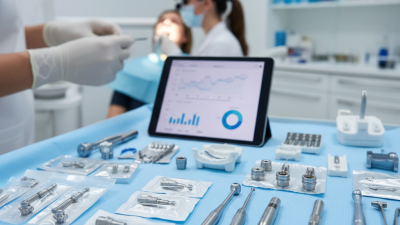
In the realm of implant surgeries, advanced imaging technologies play a critical role. These technologies enhance precision and provide detailed insights into the patient's anatomy. 3D imaging, for example, allows surgeons to visualize complex structures. This makes it easier to plan the surgery meticulously, minimizing risks and improving outcomes.
Fluoroscopy is another valuable tool in this field. It provides real-time imaging, enabling surgeons to make quick decisions during procedures. However, this technology demands careful calibration and understanding to avoid potential pitfalls. It’s not infallible and requires expertise. Misinterpretation can lead to complications, so continuous training and practice are essential.
Lastly, integrating artificial intelligence with imaging can improve diagnostics significantly. AI can analyze vast amounts of data swiftly and accurately. However, reliance on technology also introduces challenges. Surgeons must be cautious not to overlook the human element in decision-making. The balance between technology and human intuition is crucial for success in implant surgeries.
Critical Sterilization Supplies for Safe Surgical Environments
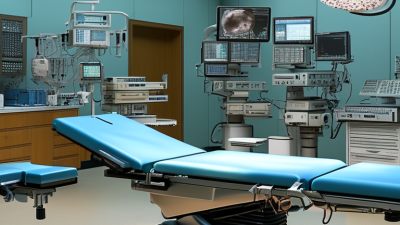
In surgical environments, maintaining proper sterilization is crucial. This ensures the safety and health of patients. Key sterilization supplies include autoclaves, which use steam to kill bacteria and viruses. The effectiveness of these machines relies heavily on regular maintenance and validation checks.
Additional essential supplies include disinfectants and sterile barriers. These play a vital role in infection control. Surgical drapes and sterilized instruments must be used during procedures to create a sterile field. It’s important to monitor the levels of sterilization regularly. Outdated or improperly maintained supplies can compromise patient safety.
Training staff on sterilization protocols can be overlooked. Some employees may not fully understand the importance of these processes. Regular training sessions help reinforce standards and can highlight areas for improvement. Each surgical team should enjoy a culture of safety, where staff feel responsible for maintaining sterile conditions.
Top 10 Implant Supplies for Successful Surgeries
Postoperative Care Supplies for Optimal Patient Recovery
Postoperative care is crucial for optimal patient recovery after surgery. Studies show that effective postoperative management can reduce complications by up to 30%. Key supplies like sterile dressings, pain management medications, and mobility aids play a vital role in this process. Sterile dressings help prevent infections at the incision site. Pain management ensures patients remain comfortable, promoting faster healing.
Mobility aids, such as walkers or crutches, encourage early movement. Gentle movement is essential; studies indicate that patients who start to ambulate within 24 hours post-surgery recover more quickly. It’s also important to monitor wound conditions consistently. Inadequate monitoring may result in undetected complications, affecting recovery time.
Education materials for patients and caregivers are important. They provide detailed guidance on caring for surgical sites and recognizing signs of complications. Yet, it’s vital to ensure these materials are clear and easily accessible. Confusion can lead to mistakes in care routines and delay recovery. A proactive approach to postoperative care supplies can greatly influence patient outcomes and enhance overall surgery success.