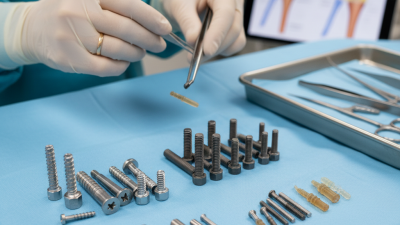
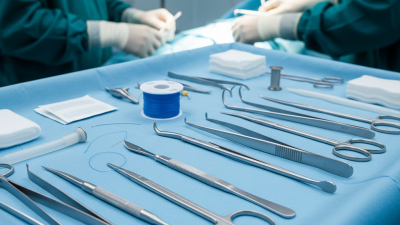
Why Choose High Quality Implant Instruments?
Choosing high-quality implant instruments is not a cosmetic preference. It is a clinical decision that influences accuracy, tissue handling, workflow, and patient confidence. In the World Health Organization’s Global Oral Health Status Report 2022, nearly 3.5 billion people were estimated to live with oral diseases. The report also highlights the growing need for safe, accessible, and effective restorative care. As implant treatment expands, instrument quality deserves closer attention.
Small details matter.
A driver that fits poorly can damage a screw head. A dull drill may generate unnecessary heat. An imprecise depth marker can complicate osteotomy control. These problems may appear minor, but they can disrupt an entire surgical sequence. The American Dental Association emphasizes that dental instruments require appropriate cleaning, sterilization, maintenance, and inspection. Quality implant instruments should therefore combine accurate geometry, durable materials, ergonomic handling, and dependable traceability. These features support clinicians during repeated procedures, especially when visibility is limited or bone density changes unexpectedly.
Professor Carl E. Misch, a leading authority in implant dentistry, wrote, “The primary goal of implant dentistry is to restore the patient to normal function, comfort, esthetics, speech, and health.” High-quality implant instruments do not guarantee that outcome. Nothing does. However, they can reduce avoidable variation and help clinicians follow evidence-based protocols more consistently. Reports from MarketsandMarkets identify continued growth in the global dental implants market, increasing pressure on clinics to standardize performance and safety. The uncomfortable question remains: are low-cost instruments truly economical after replacement, delays, and compromised control are considered? Reliable quality may cost more initially. It can also protect precision when every millimeter matters.
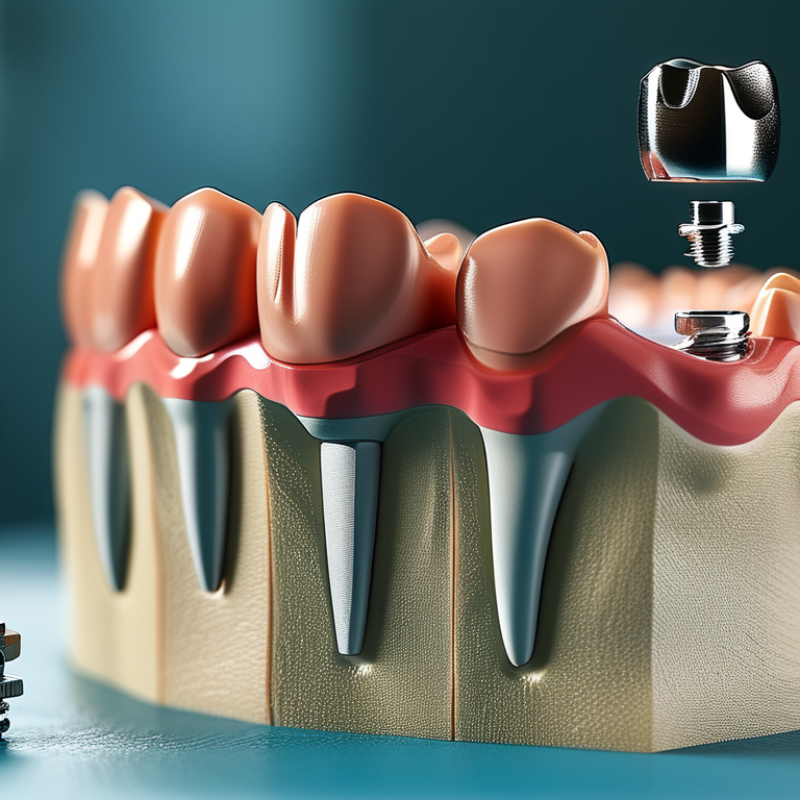
What Are High-Quality Implant Instruments?
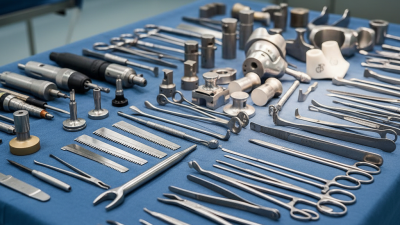
High-quality implant instruments are precision tools designed for controlled, repeatable dental surgery. They include drills, osteotomes, depth gauges, torque drivers, retractors, and implant placement instruments. Their quality depends on more than appearance. Accurate dimensions help clinicians prepare osteotomy sites with fewer surprises. Clear markings also support reliable depth and angle control during demanding procedures.
In daily clinical use, good instruments should feel balanced in the hand. A secure grip matters when gloves become wet or fatigue develops. Smooth surfaces reduce debris retention and make cleaning more predictable. Medical-grade stainless steel or other validated materials should resist corrosion, repeated sterilization, and mechanical stress. However, “high quality” is not permanent. Even excellent instruments can lose accuracy after wear, impact, or poor maintenance. That point is easy to overlook.
Reliable instruments also require documented manufacturing controls and consistent quality inspection. Laser-etched markings may remain readable longer than shallow printed marks, but they still need checking. Before surgery, clinicians should inspect tips, threads, cutting edges, and locking mechanisms. A damaged driver can transfer force unevenly. A worn drill may also affect cutting performance and heat control. From practical experience, the best instrument is not always the most expensive one. It is the one that performs consistently, fits the procedure, and can be cleaned, tracked, and replaced responsibly. Small differences become important when visibility is limited and every millimeter matters.
Which Materials and Designs Define Instrument Quality?
Why Choose High Quality Implant Instruments?
Which Materials and Designs Define Instrument Quality?
Instrument quality begins with material selection. Surgical-grade stainless steel offers strength, corrosion resistance, and reliable performance through repeated sterilization. Its surface should remain smooth after cleaning, without pits that can trap biological residue. Titanium is lighter and highly resistant to corrosion. It can also provide a comfortable balance during extended procedures. However, lightness is not always better. An overly light instrument may reduce tactile confidence.
Design matters just as much as the alloy. A well-shaped handle supports controlled pressure and reduces finger fatigue. Serrated grips should feel secure without damaging gloves. Working tips need precise alignment, clean edges, and consistent dimensions. Even a small mismatch can affect access in a narrow surgical field. Some instruments use color coding or modular components, but these features should not replace clear identification and careful inspection.
In practice, I check the hinge, tip closure, surface finish, and locking action before sterilization. Small defects are easy to overlook. That is where reflection matters. A highly polished instrument may still have poor balance, while a simple design may perform more reliably. Manufacturers should validate instruments through dimensional checks, functional testing, and repeated sterilization cycles. Users also need documented maintenance guidance, because even excellent materials can fail under careless handling. Reliable quality is visible in the details.
How Do Precision Instruments Improve Implant Procedures?
Precision instruments improve implant procedures by making small movements more predictable. A well-balanced driver sits comfortably in the hand and reduces unwanted wrist rotation. Clear depth markings help clinicians check osteotomy measurements before implant placement. Stable torque control also supports the recommended insertion range, when applicable.
During a procedure, these details matter. The instrument should engage the implant securely, without slipping or damaging connection surfaces. Sharp, properly aligned drills can create cleaner osteotomies and may reduce unnecessary pressure on bone. Color coding can speed identification, but it should never replace tray verification. Good instruments also support consistent irrigation and visibility around the surgical site.
That is practical precision.
Quality depends on more than machining. Materials must tolerate repeated cleaning cycles, and hinges or drivers need inspection for wear. A cracked handle or faint marking can turn a simple step into a guessing exercise. I have learned that familiar tools still require attention; confidence can hide small errors. Training, calibrated torque devices, documented maintenance, and careful case planning remain essential.
Precision helps, but it cannot correct poor positioning, inadequate imaging, or rushed judgment. Some procedures still feel less predictable than the checklist suggests. Teams should record instrument performance, review complications honestly, and adjust workflows using current clinical evidence.
What Safety and Sterilization Benefits Do They Provide?
High-quality implant instruments support safer procedures because their materials, geometry, and manufacturing tolerances are carefully controlled. A well-finished instrument has fewer surface defects where blood, tissue, or cleaning residue might remain. Consistent alignment also helps clinicians apply stable force during delicate placement. That matters when visibility is limited and small movements can affect accuracy. However, quality alone cannot prevent every error. Handling and maintenance still require judgment.
Sterilization benefits begin with effective cleaning. Instruments should be easy to disassemble, inspect, and process according to validated instructions. Corrosion-resistant materials can tolerate repeated sterilization cycles more reliably, provided the correct temperature, time, and drying method are used. Clear markings may improve traceability during inspection and storage. Before use, trained staff should check for cracks, loose parts, dull edges, and retained debris. A sterile pack is not automatically safe if the instrument was poorly cleaned beforehand.
Tips: Follow the manufacturer’s instructions for use and your facility’s approved protocol. Use suitable brushes, avoid harsh chemicals, and allow instruments to dry completely. Inspect hinged areas under bright light. Replace questionable instruments rather than forcing them into service. Small oversights happen, and that is worth acknowledging. Regular staff training, documented sterilization records, and periodic process audits create stronger protection for both patients and clinical teams.
How Should Dental Professionals Evaluate Instrument Quality?
Choosing high-quality implant instruments requires more than judging shine, weight, or price. Dental professionals should examine evidence that survives clinical pressure. The WHO Global Oral Health Status Report estimates that oral diseases affect nearly 3.5 billion people worldwide. That scale demands dependable procedures and repeatable instrument performance. In my experience, jaw stability, tactile feedback, and accurate engagement matter during drilling, placement, and removal. Small handle movement can change control.
Material traceability should be checked first. Ask for the alloy specification, manufacturing records, and corrosion-resistance testing. ISO 13485:2016 emphasizes documented quality systems for medical devices. ISO 17664-1:2021 also requires clear, validated reprocessing instructions. Instruments should tolerate the stated sterilization cycles without discoloration, pitting, or loss of alignment. Look closely at hinges and cutting edges. Debris often hides there.
Do not trust appearance alone. A 2022 CDC report states that critical dental instruments must undergo heat sterilization after cleaning. Cleaning is not optional. Professionals should review inspection frequency, packaging integrity, and instructions for use. Published implant research often reports five-year survival above 90%, but that figure does not prove every instrument is reliable. Clinical outcomes depend on many variables. I have seen well-finished tools become awkward after repeated processing. That uncomfortable detail deserves attention. A practical evaluation includes grip testing with gloves, repeated opening and closing, and checking fit under magnification. If the supplier cannot provide measurable evidence, confidence should remain limited.
Why Choose High Quality Implant Instruments?
How Should Dental Professionals Evaluate Instrument Quality?
This suggested 100-point procurement framework emphasizes the factors that directly affect clinical reliability, patient safety, instrument longevity, and workflow efficiency. Dental professionals should verify material specifications, dimensional accuracy, mechanical integrity, sterilization compatibility, ergonomic performance, and traceability documentation. Relevant standards include ISO 7153-1 for materials used in surgical instruments, ISO 17664-1 for processing information, and ISO 13485 for medical-device quality management systems.